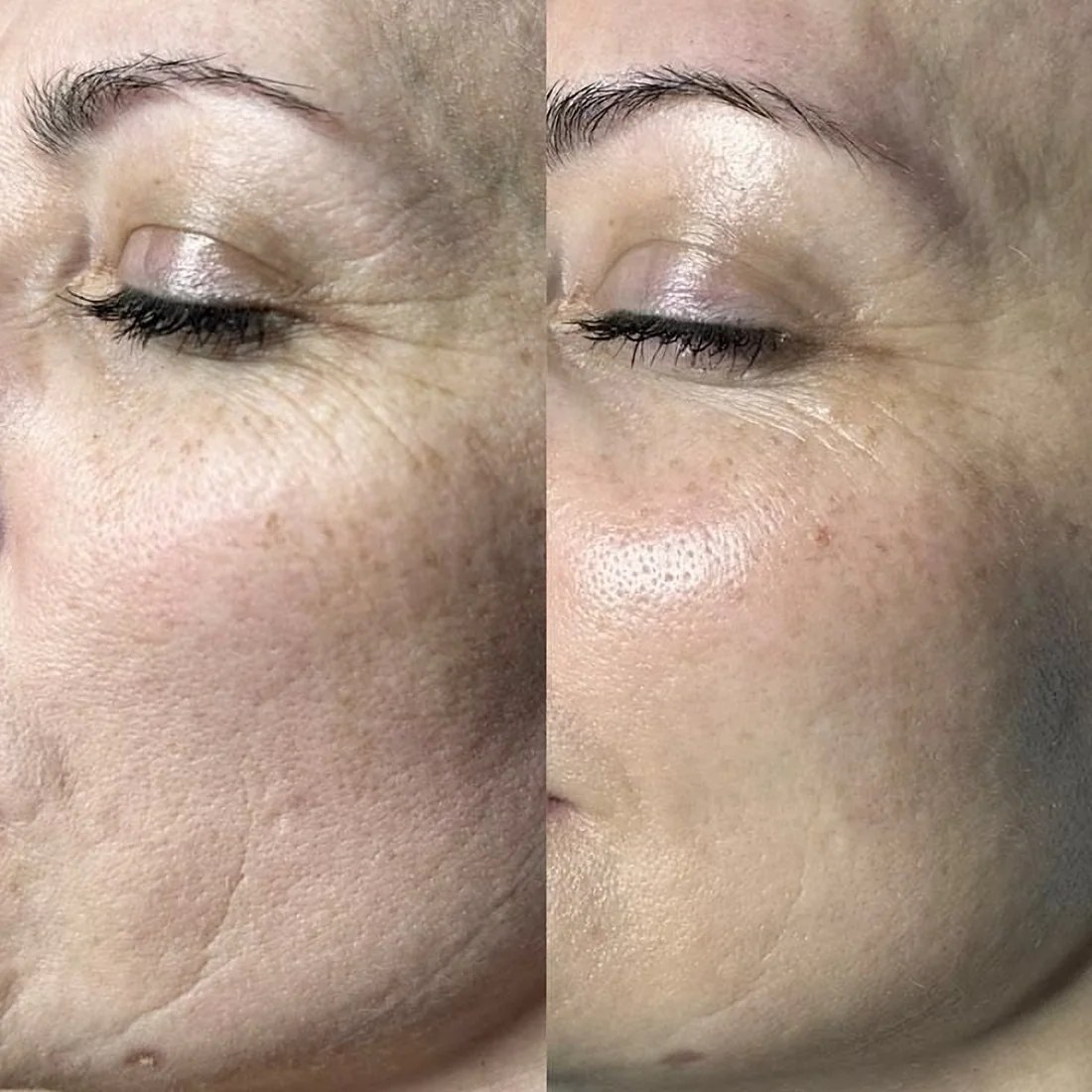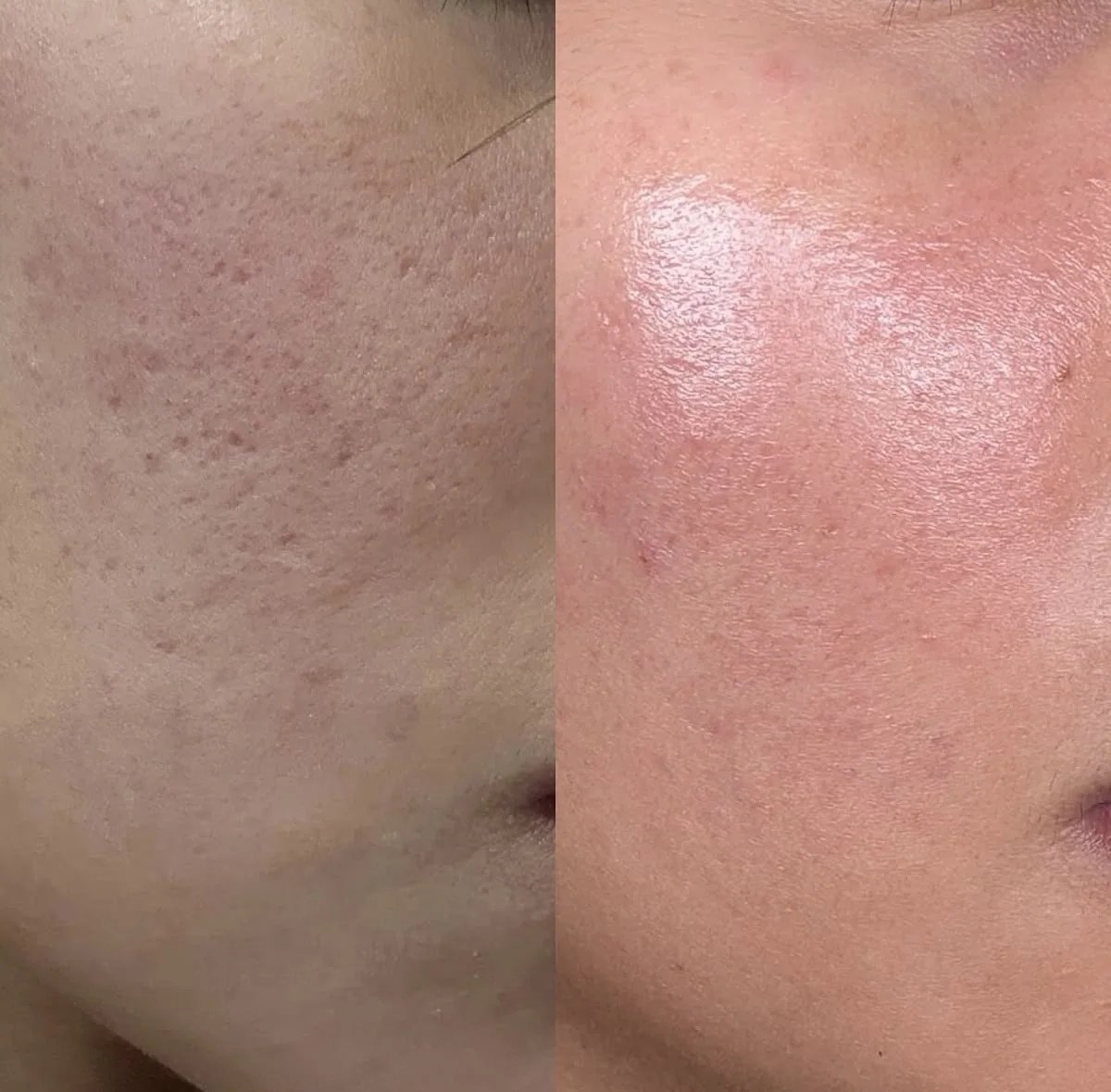
Blemishes come and go, but the marks they leave behind can linger for weeks or months. Dull, tired-looking skin is another common concern. Many people turn to a red light LED mask to help their skin look clearer and more radiant. Here is what to know.
Acne marks versus active acne
It is important to distinguish two situations. Acne marks are the red, pink or brown spots left after a blemish has healed. Active acne is an inflammatory skin condition that should be assessed by a doctor or dermatologist. A cosmetic LED mask is meant to support the appearance of skin, not to treat acne.
How red light may help the look of marks
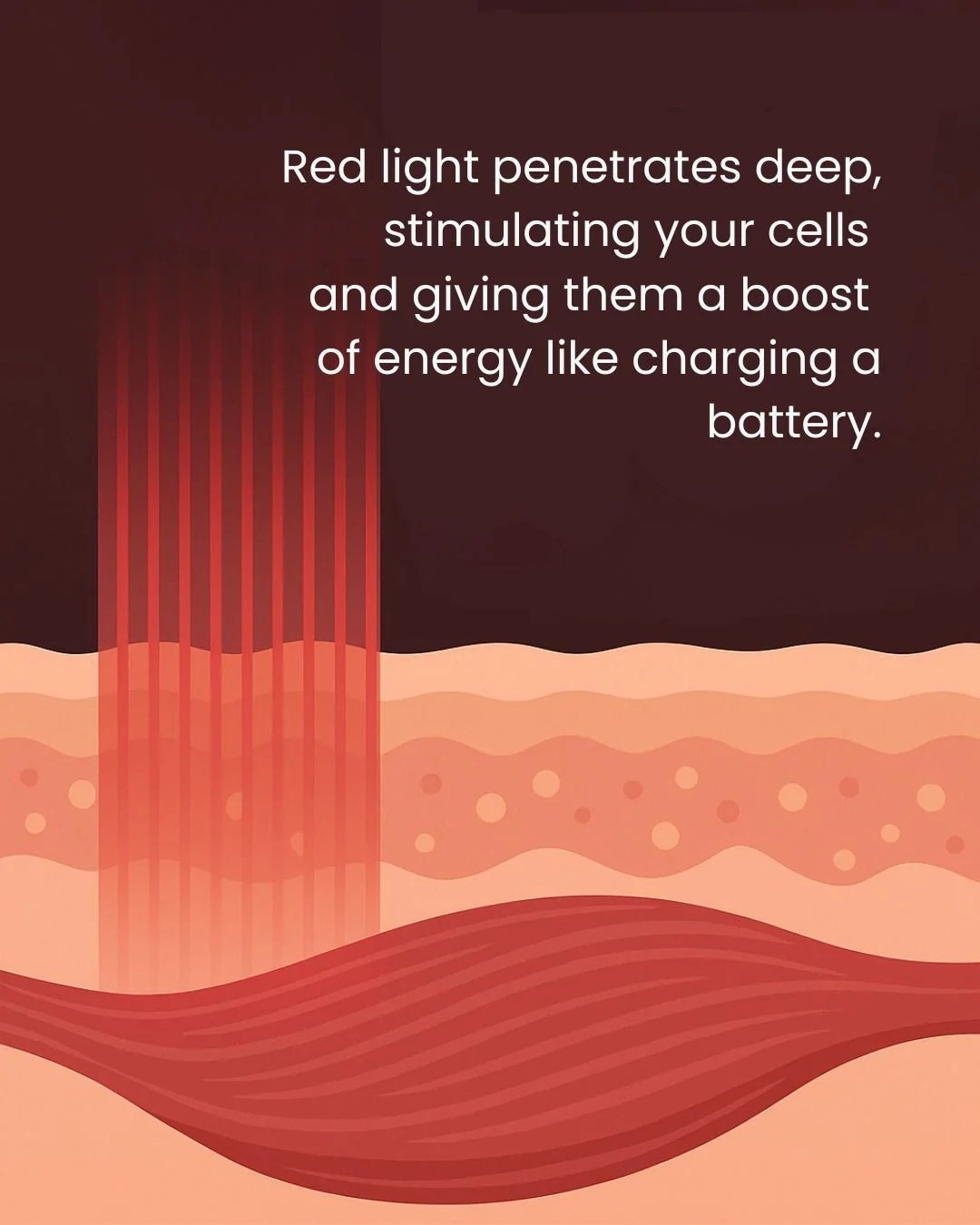
Red light is thought to support the skin’s natural renewal by boosting cell energy. In practice, regular use may help marks fade a little faster and the overall tone look more even. Patience is key: skin renews over weeks, not days.
Tackling dull skin
Dullness often comes from fatigue, dehydration, sun exposure and slower cell renewal. By supporting renewal, a red light routine can help bring back a fresher, more luminous look.
A simple routine
- Cleanse your skin and pat it dry.
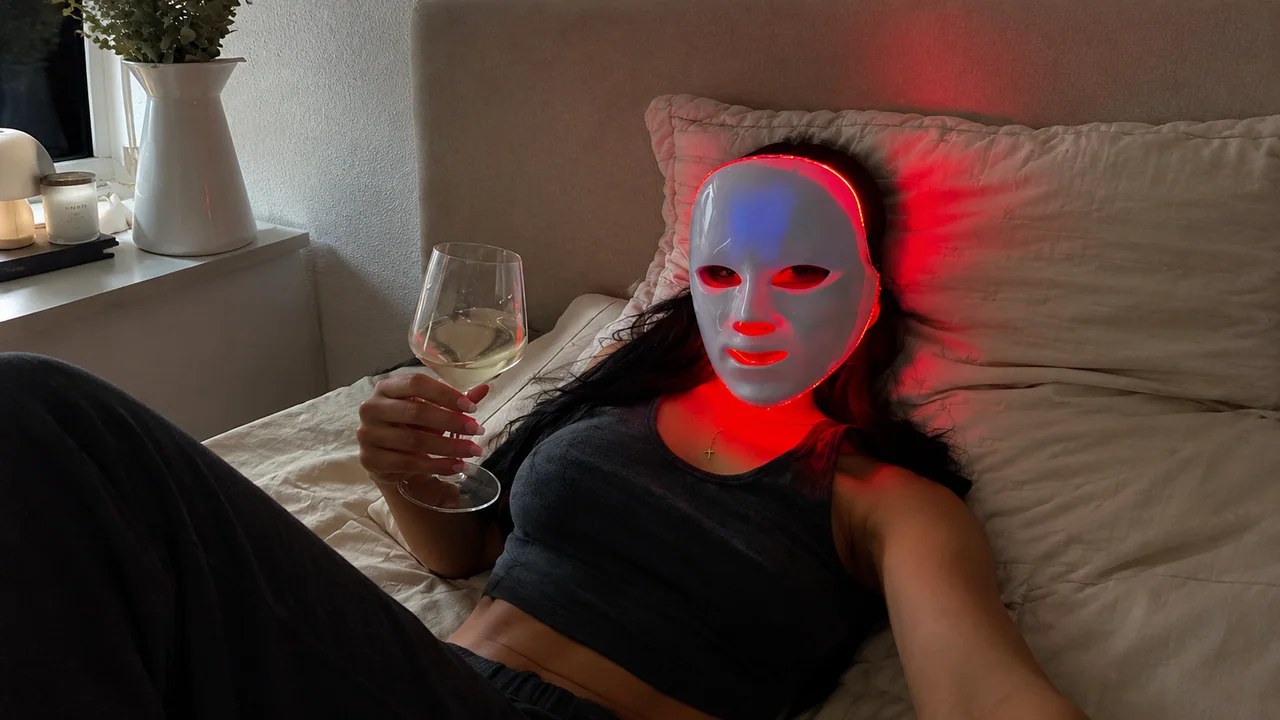
- Use your LED mask for 10 to 30 minutes, eyes closed.
- Apply a gentle serum and a moisturiser.
- Wear sunscreen every day, especially on marks and dark spots, which darken with UV.
Habits that help
- Drink water and sleep well.
- Do not pick at blemishes.
- Be consistent with your mask for at least 8 weeks.
Why a wireless full-face mask?
Marks can be anywhere on the face. A mask with 180 LEDs like Lumino covers the whole face evenly, and the wireless design makes daily use easy.
If you have painful, widespread or persistent acne, speak to a health professional. See also our article on LED mask safety and who should avoid it.