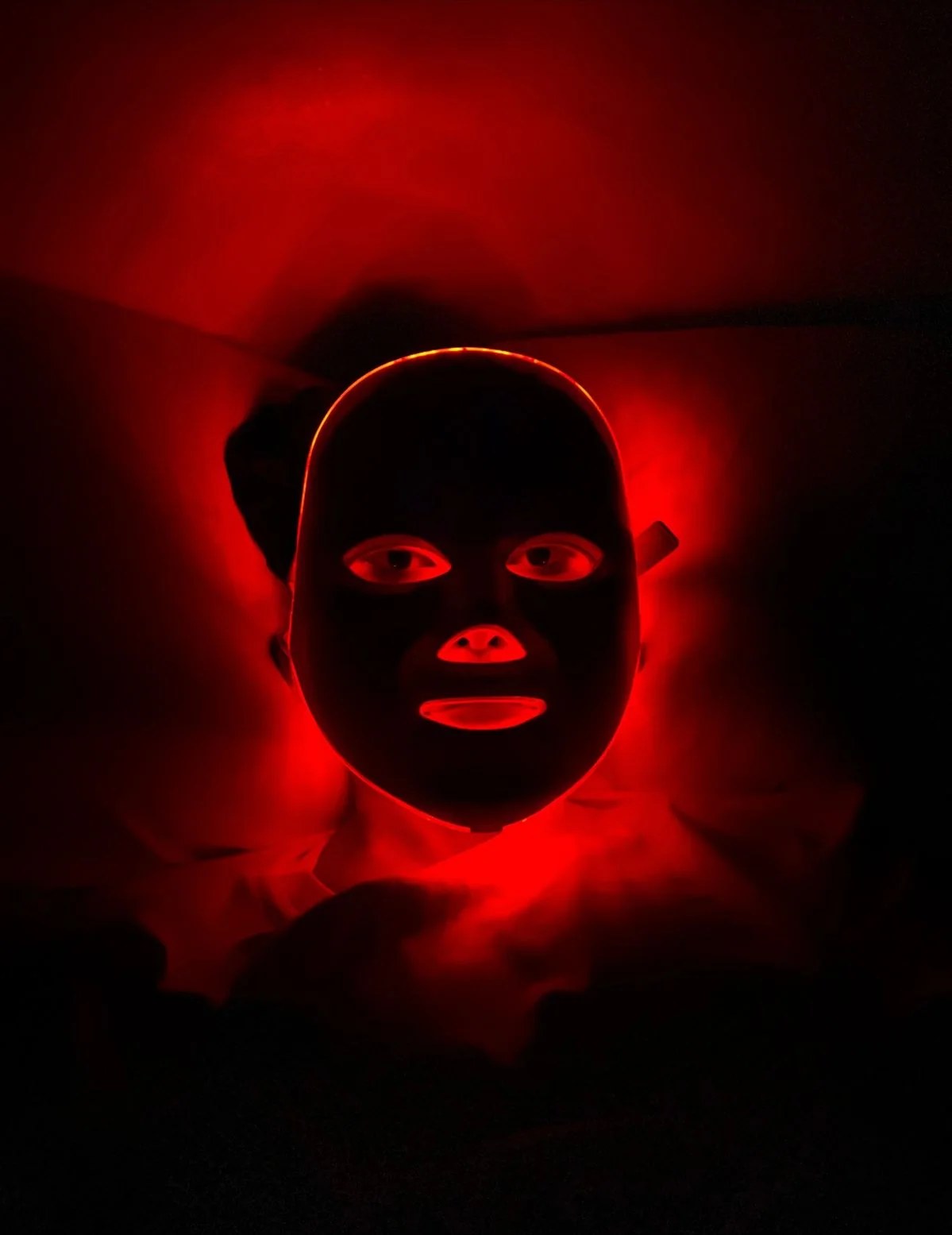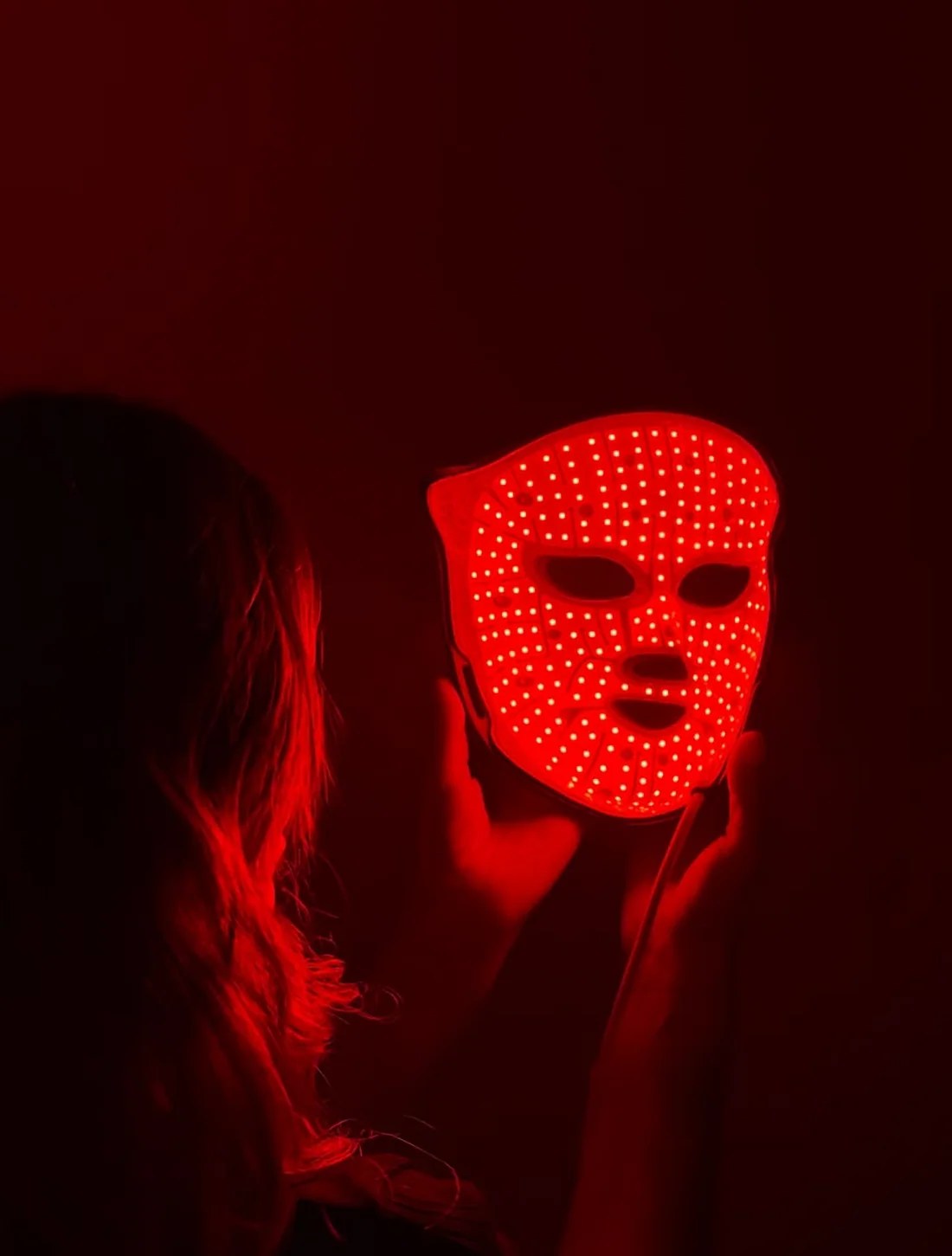
Sensitive skin reacts easily to new products, so it is natural to ask whether a red light LED mask is suitable. Here is how to approach it sensibly.
Red light is not UV
Red light masks do not emit ultraviolet rays and use low-level light with at most a gentle warmth. For many people with sensitive skin, this is gentler than active ingredients. See our safety guide.
Start slowly
- Begin with 10 minutes every other day.
- Increase gradually up to the duration in your manual.
- Use the mask on clean skin, without strong actives right before.
What to watch for
Stop if you notice lasting redness, burning, itching or discomfort. Keep your eyes closed throughout the session.
When to ask a professional first
Talk to a doctor or dermatologist if you have a skin condition such as rosacea or eczema flare-ups, are photosensitive, take photosensitising medication, or are pregnant.
Support your skin barrier
Pair your sessions with a gentle cleanser, a soothing moisturiser and daily SPF. Follow the order in our LED mask routine and read about how often to use an LED face mask.
A wireless mask like Lumino makes gentle, regular sessions easy.